TenU International Annual Meeting 2026: Enabling Growth
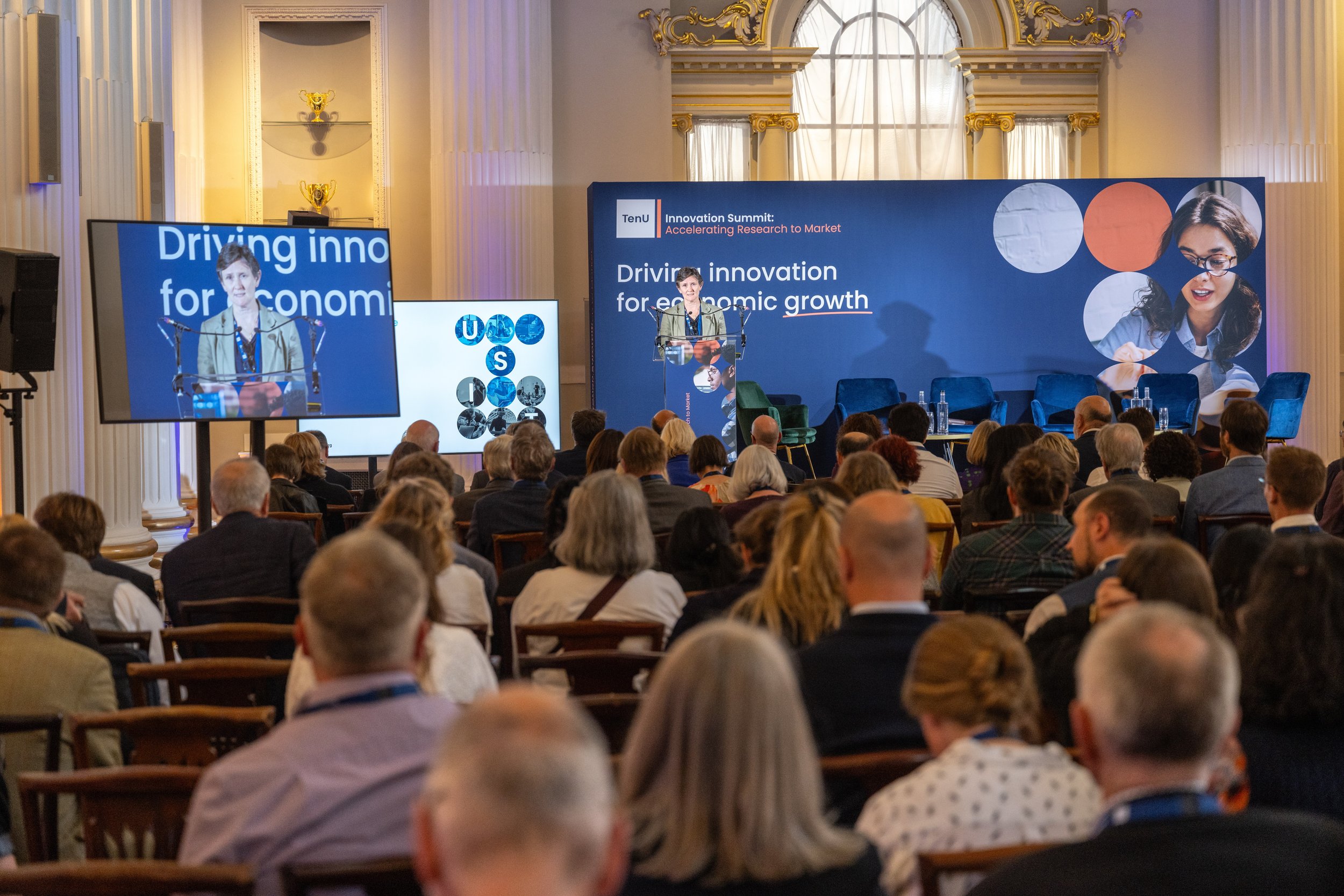
TenU’s 2026 International Annual Meeting convened leaders from universities, government, investment, and industry in Oxford to explore how innovation-led growth can be enabled in practice. Hosted by Oxford University Innovation (OUI), the two-day programme used Oxford’s innovation ecosystem as a case study on how institutions, partnerships, and place-based conditions support long-term growth.
A consistent theme was that innovation outcomes depend not only on research excellence, but also on how effectively these elements are connected to enable ideas to translate, scale, and deliver long‑term impact.

A central focus: university-government relationships
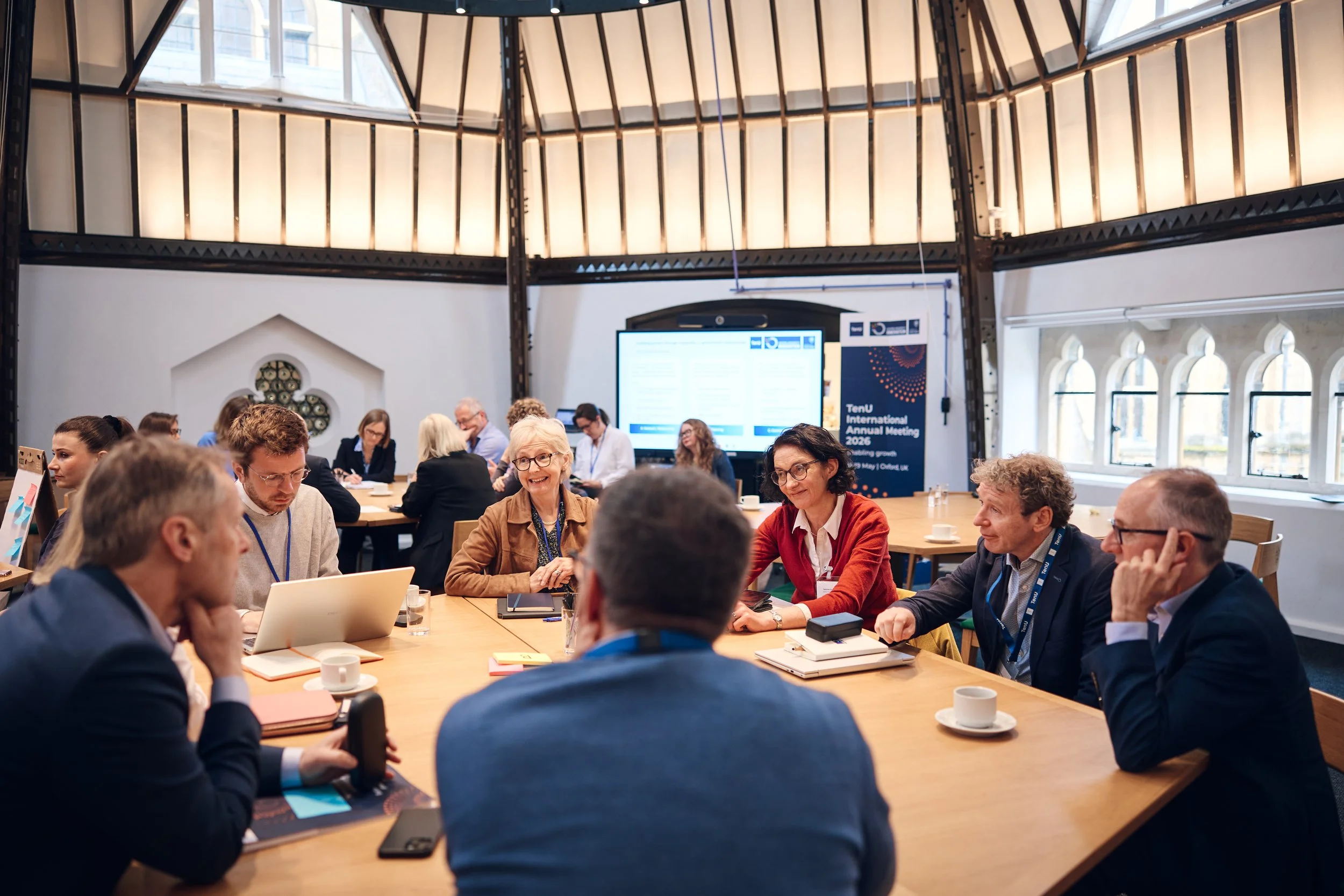
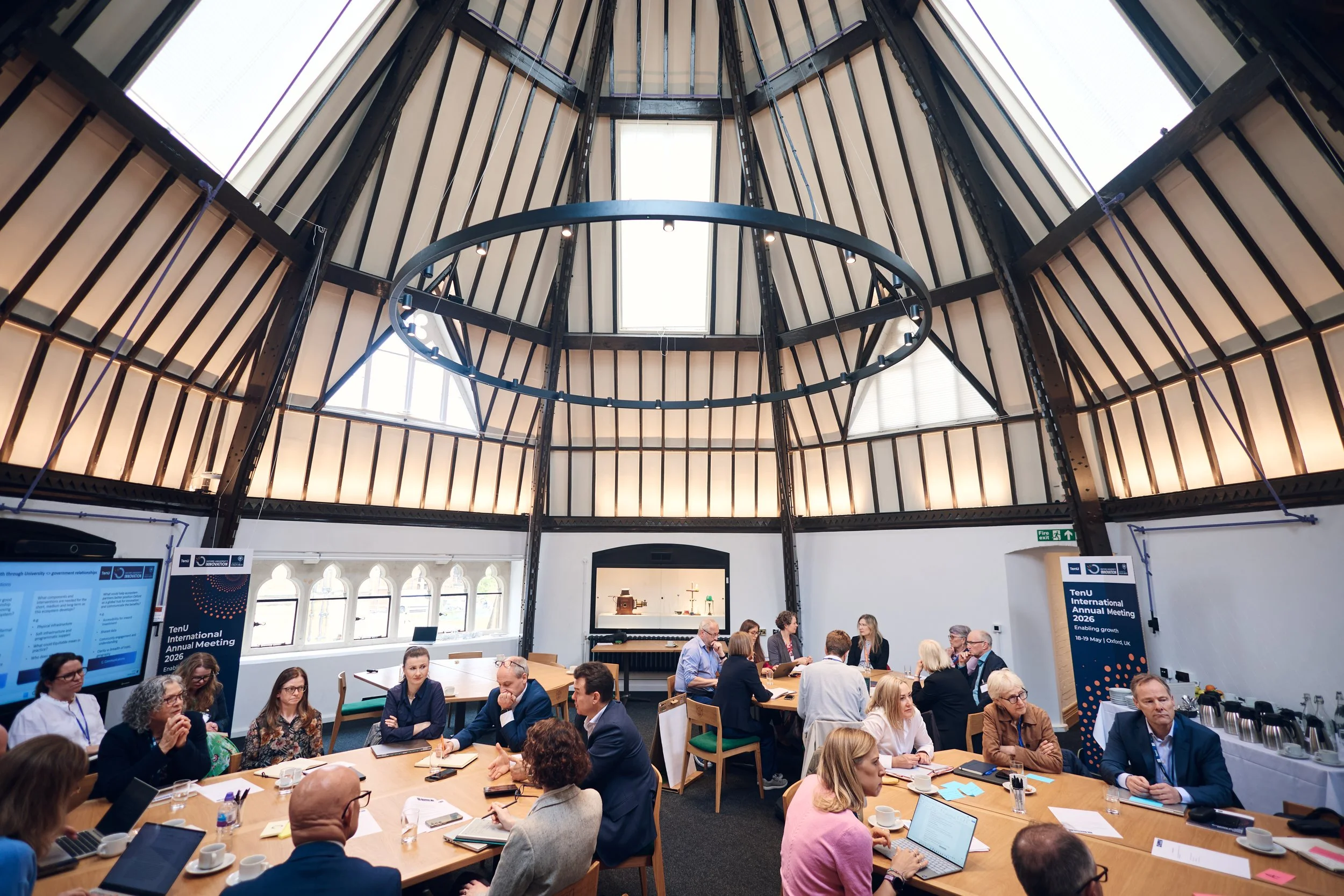
Our core session on the second day explored how universities and local, regional, and national government can work together effectively to support innovation-led growth. Introduced by Neale Coleman (Oxford Growth Commission), the discussion was structured around three interconnected themes: networks, planning, and communications.
Networks and relationships
Participants emphasised that effective collaboration depends on trust and long-term relationships, yet these can be vulnerable to organisational change and political developments. Moving beyond individual connections towards shared goals and institutional alignment was seen as important for sustaining progress over time.
The workshop highlighted the value of building relationships early, developing a shared understanding of challenges, and identifying clear priorities for collaboration. Participants also noted that networks are most effective when supported by a clear sense of purpose and co-ordination.
Planning for growth
Discussions reinforced that innovation-led growth is shaped by wider system factors, including housing, transport, energy capacity, and planning, alongside responsibilities distributed across multiple organisations.
A recurring theme was the importance of co-ordinated, long-term planning, supported by clear priorities and effective governance. Contributors reflected on the different timeframes under which universities, government, and investors often operate, and the value of aligning expectations to support continuity and delivery.
Communications and equitable innovation
Participants also explored how innovation-led growth can be communicated in ways that are meaningful and relevant to communities. They noted that the benefits of innovation are not always visible or clearly understood outside the sector.
Examples included connecting innovation activity to everyday issues such as jobs, health outcomes, and local infrastructure, alongside engagement through schools, community spaces, and accessible storytelling.
There was also discussion around the importance of ensuring innovation ecosystems are not perceived as remote or exclusive, and of recognising the broad range of skills, roles, and pathways that contribute to innovation economies.







Key takeaways
Several cross-cutting insights emerged from the session:
Build long-term institutional relationships that can endure personnel turnover and political change
Align around shared priorities, supported by clear co-ordination and expectation management
Recognise the interdependence of innovation activity and infrastructure, such as transport links, housing, and water
Demonstrate how innovation connects to local growth and opportunity, using accessible storytelling to communicate the tangible benefits of innovation activity
Engage communities early and create opportunities for participation in innovation ecosystems from school age through to lifelong learning
Pair strategic ambition with clear ownership and delivery
Looking ahead
Across both days of the meeting, discussions reinforced that there is no single model for enabling innovation-led growth. A consistent theme was that innovation-led growth depends on effective connections: between universities and government, across different parts of the innovation system, and between global ambition and local impact.
TenU thanks Oxford University Innovation for hosting the 2026 Annual Meeting and all participants for their insights and contributions.